
 Image 1 of 1
Sunday, March 15, 2026
with Pilar Egüez Guevara, PhD
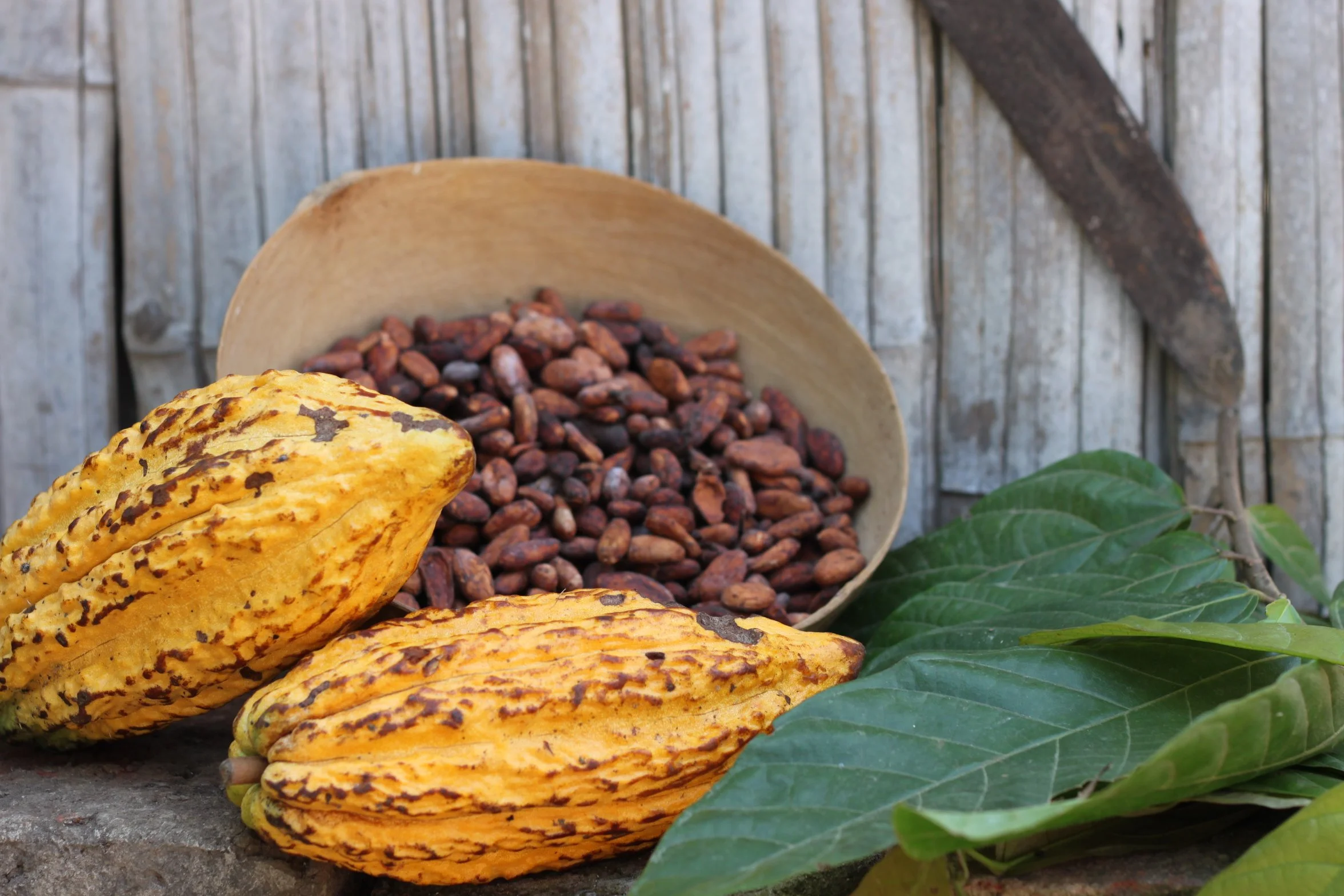
This knowledge share draws from the short film Tarpuna, Keepers of Cacao. Part I: Water, which follows protectors of the forest, the river, the seeds, and the ancestral knowledge that sustains cacao cultivation in Ecuador’s subtropical Andean Chocó. Through their voices, participants are invited to understand cacao not only as a crop, but as food, medicine, and cultural memory, and as a vital part of the land that Indigenous communities continue to defend.
Together, we will trace the deep history of cacao in the Ecuadorian Amazon—home to the oldest known cacao remains, dating back 5,000 years—and examines the role of pre-Hispanic Indigenous cultures in its domestication and in the preparation of cacao-based beverages. This historical grounding helps situate contemporary trends, such as “cacao ceremonies,” within broader conversations about cultural representation, food marketing, food gentrification, and the ecological impact of industrial cacao production.
Participants will also reflect on their roles as consumers. The session includes practices for developing sensory and emotional awareness around cacao, as well as guidance on interpreting popular labels on cacao products—highlighting how these labels influence sustainability, food sovereignty, biodiversity conservation, and the defense of Indigenous lands.
Sunday, March 15, 2026
with Pilar Egüez Guevara, PhD
This knowledge share draws from the short film Tarpuna, Keepers of Cacao. Part I: Water, which follows protectors of the forest, the river, the seeds, and the ancestral knowledge that sustains cacao cultivation in Ecuador’s subtropical Andean Chocó. Through their voices, participants are invited to understand cacao not only as a crop, but as food, medicine, and cultural memory, and as a vital part of the land that Indigenous communities continue to defend.
Together, we will trace the deep history of cacao in the Ecuadorian Amazon—home to the oldest known cacao remains, dating back 5,000 years—and examines the role of pre-Hispanic Indigenous cultures in its domestication and in the preparation of cacao-based beverages. This historical grounding helps situate contemporary trends, such as “cacao ceremonies,” within broader conversations about cultural representation, food marketing, food gentrification, and the ecological impact of industrial cacao production.
Participants will also reflect on their roles as consumers. The session includes practices for developing sensory and emotional awareness around cacao, as well as guidance on interpreting popular labels on cacao products—highlighting how these labels influence sustainability, food sovereignty, biodiversity conservation, and the defense of Indigenous lands.