
 Image 1 of 1
Wednesday, April 22, 2026
with Bitter Kalli
In this knowledge share, we will explore the ways Black and Indigenous people throughout the Americas have related to horses, and what those relationships can teach us about living collectively. From fugitive slaves escaping plantations on horseback to mounted protestors at the Dakota Access Pipeline Protests, horses have played a central role in Black and Indigenous survival, land stewardship, and memory work.
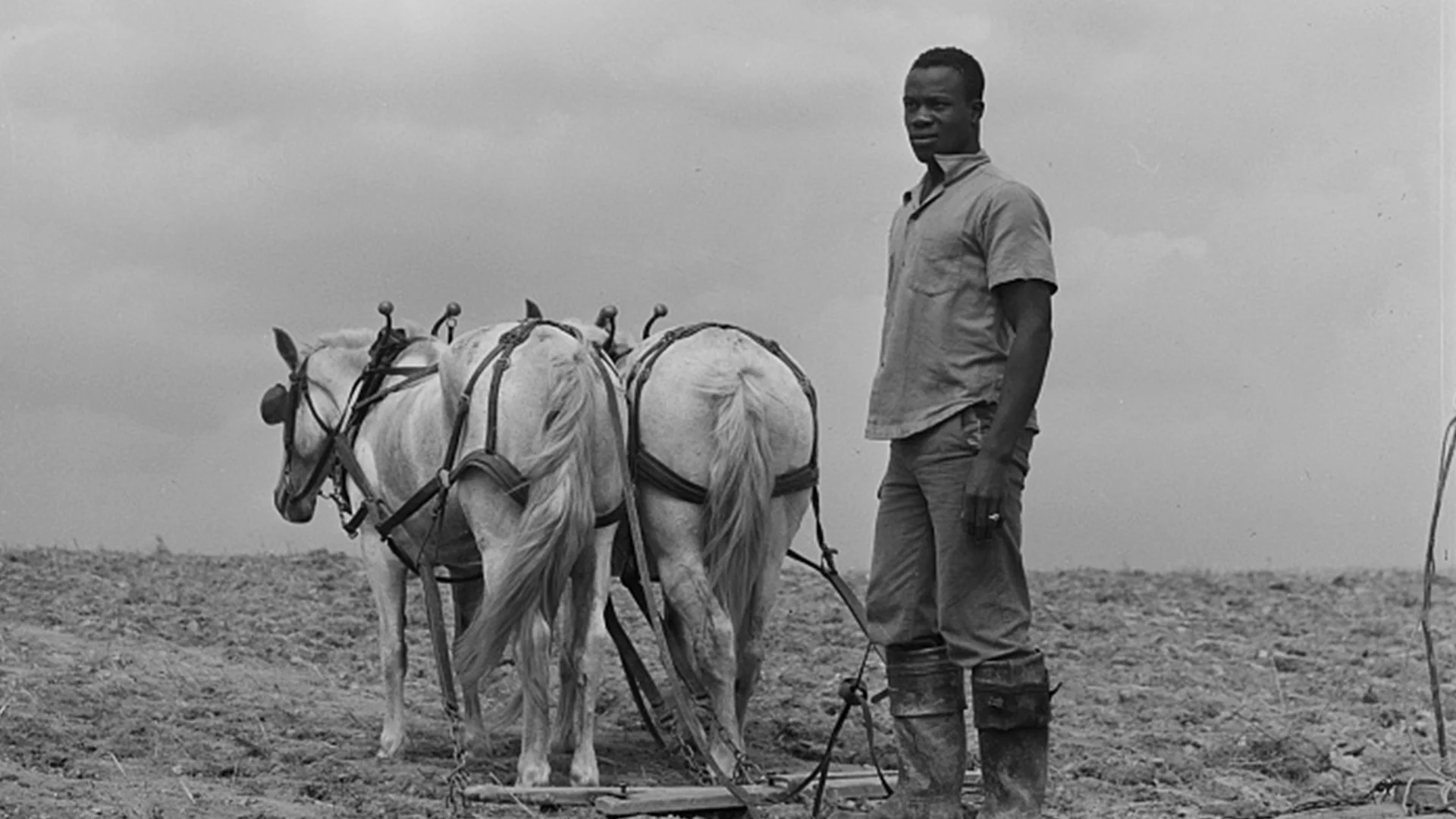
We will engage with both archival and contemporary media as we discuss what horse-human relations can teach us about ways of being together with the land and with each other. What can we learn about labor solidarity from the histories of Black farmers and their horses? What might we glean from the presence of horses in works by writers like Joy Priest and Natalie Diaz? The class will be a mix of presentation, discussion, and writing prompts, encouraging students to actively reflect on their relational and ecological practices.
Wednesday, April 22, 2026
with Bitter Kalli
In this knowledge share, we will explore the ways Black and Indigenous people throughout the Americas have related to horses, and what those relationships can teach us about living collectively. From fugitive slaves escaping plantations on horseback to mounted protestors at the Dakota Access Pipeline Protests, horses have played a central role in Black and Indigenous survival, land stewardship, and memory work.
We will engage with both archival and contemporary media as we discuss what horse-human relations can teach us about ways of being together with the land and with each other. What can we learn about labor solidarity from the histories of Black farmers and their horses? What might we glean from the presence of horses in works by writers like Joy Priest and Natalie Diaz? The class will be a mix of presentation, discussion, and writing prompts, encouraging students to actively reflect on their relational and ecological practices.